Insights and updates from the manufacturing world
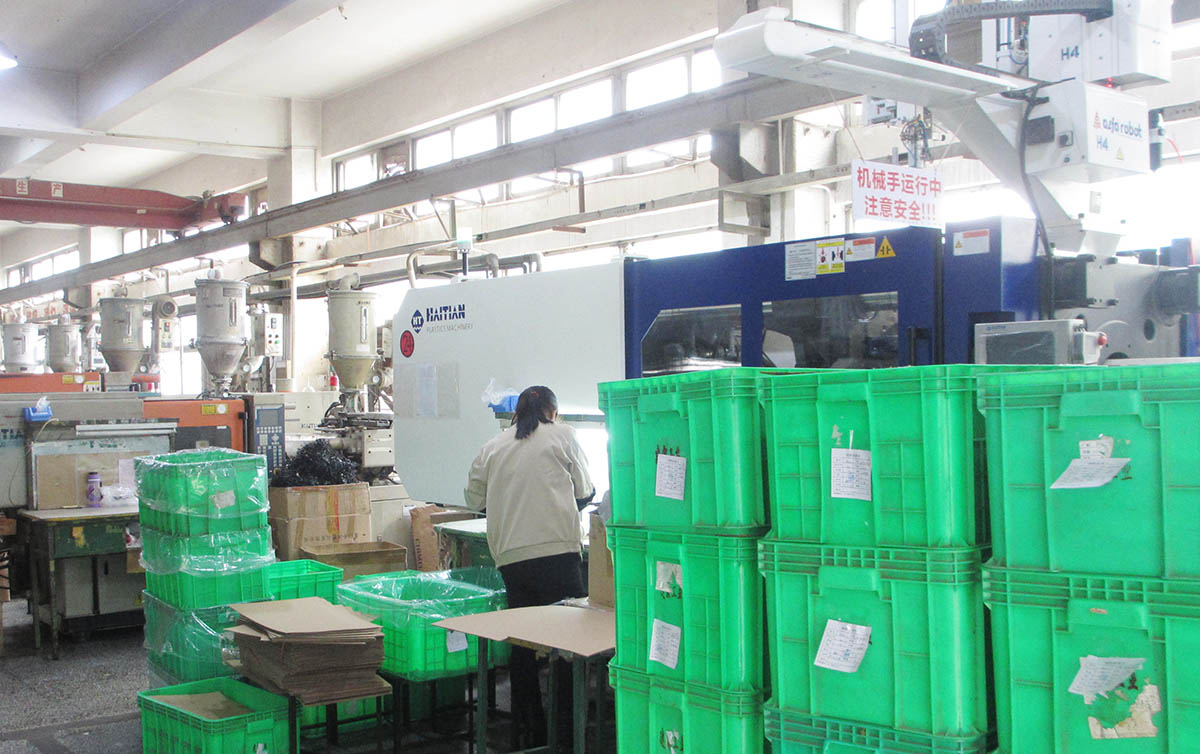
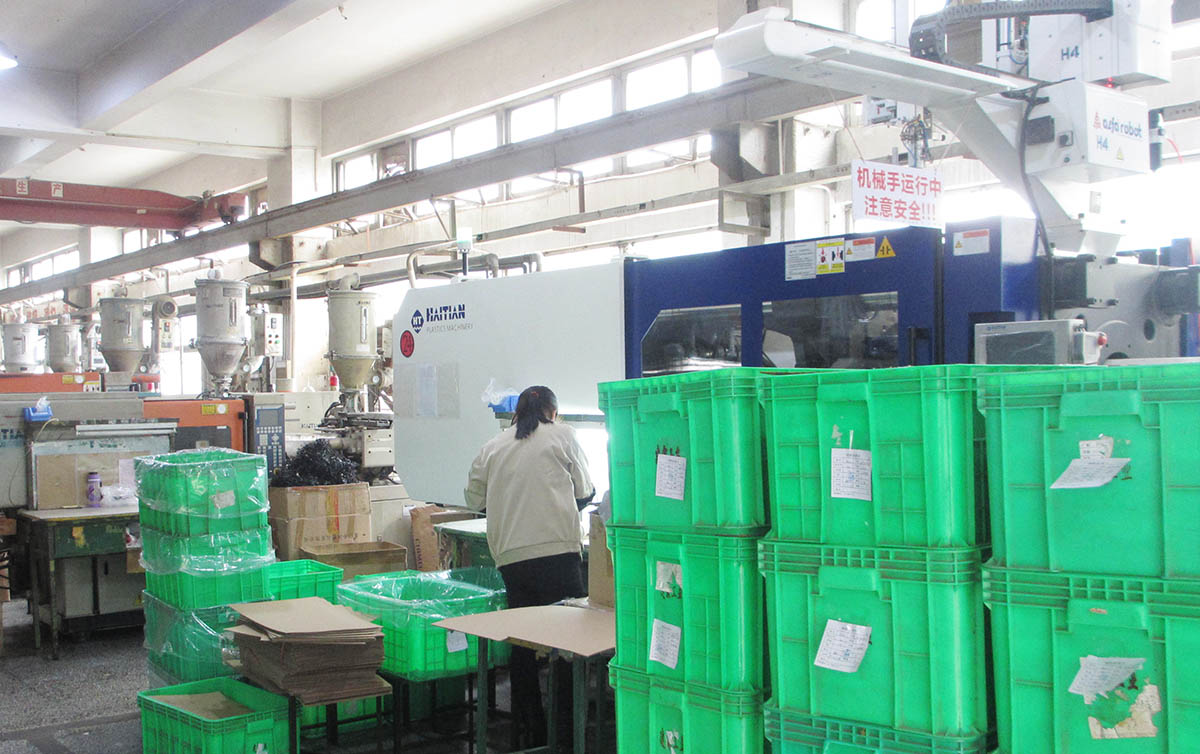
A molded part can look acceptable at first glance and still fail at assembly, cosmetic review, or field use. Recurring injection molding defects are rarely fixed by changing one press setting—the root cause usually spans part design, resin control, tooling quality, and process discipline. This guide breaks down how to prevent defects upstream, before they become daily scrap.
A prototype that looks right but tests wrong can waste weeks. A prototype that tests well but can't transition into production does the same. The key isn't just speed—it's selecting the right process for what your prototype needs to prove. This guide walks through a practical framework for choosing between SLA, SLS, CNC machining, and vacuum casting based on project goals, geometry, material, and production readiness.
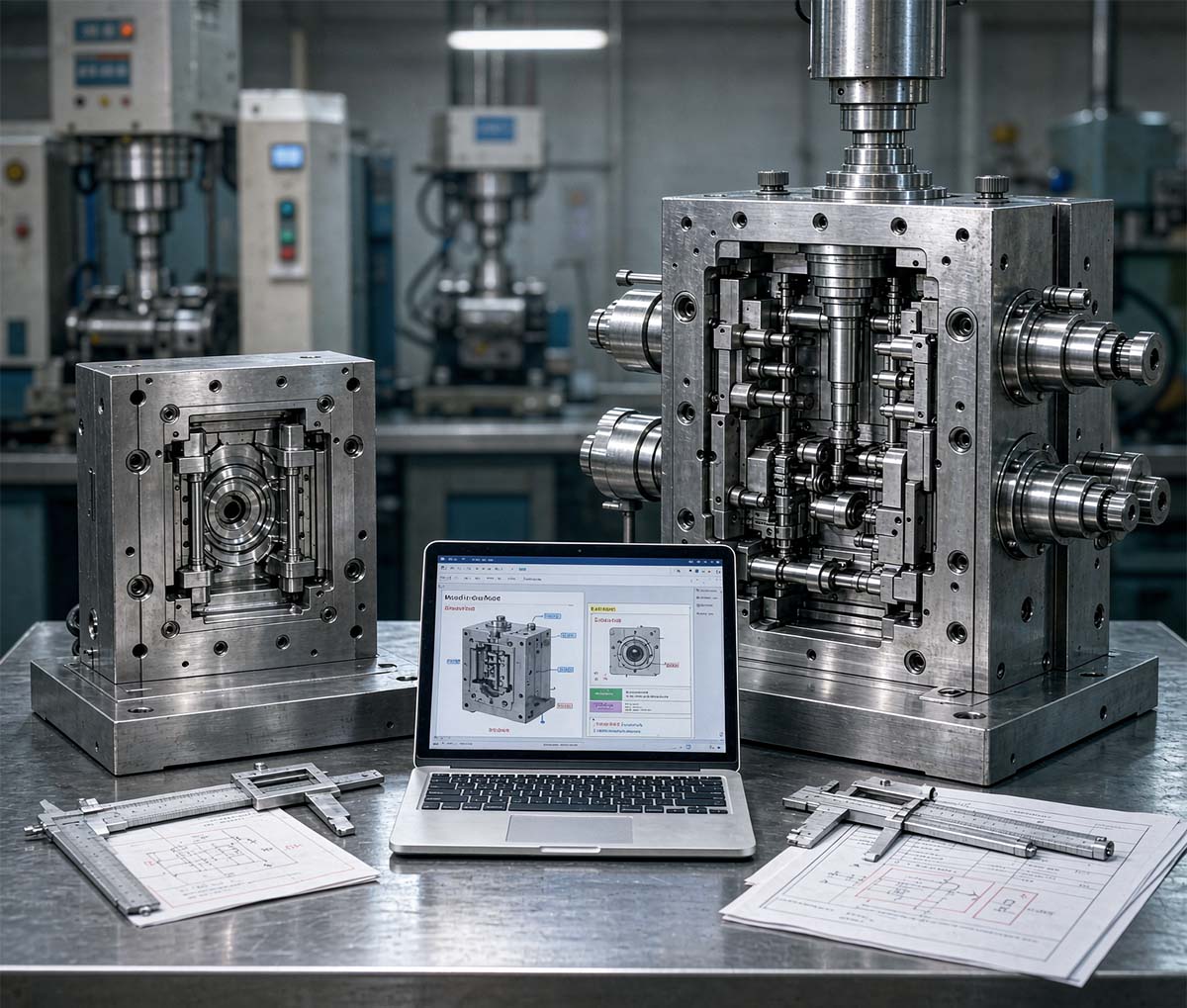
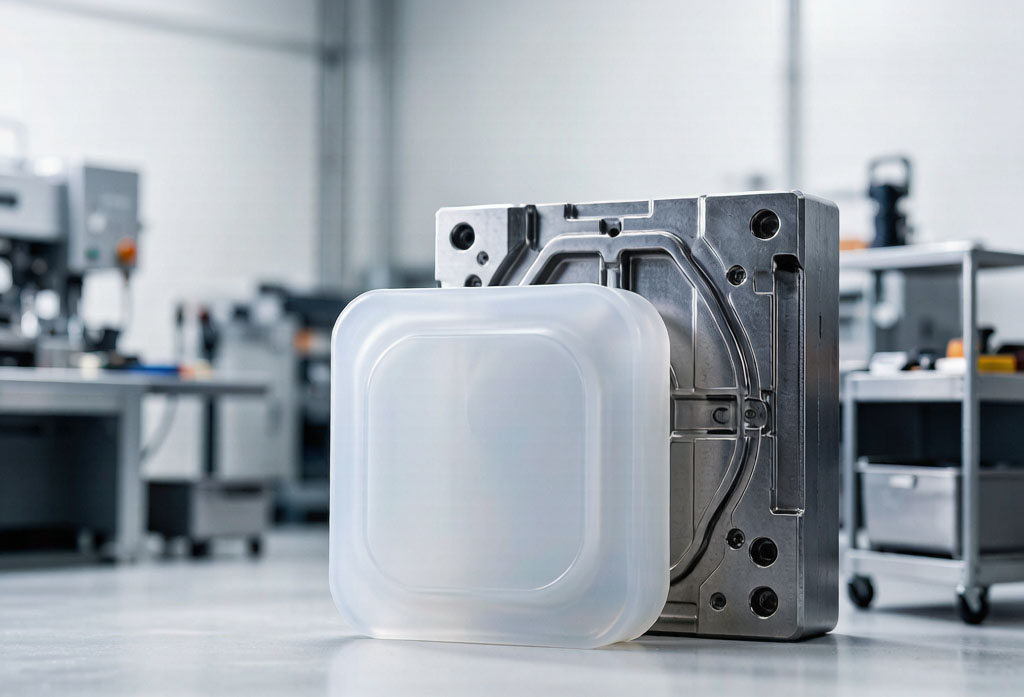
A mold quote can swing from a few thousand dollars to several times that amount—even when two plastic parts look nearly identical on screen. The difference isn't arbitrary; it's the sum of design, material, volume, and tooling decisions made before steel is cut. This guide breaks down exactly what drives injection mold cost, so you can budget accurately and avoid expensive surprises.
A production run can fail for a reason as small as a 0.3 mm shift or unexpected silicone shrinkage. First Article Inspection (FAI) is the critical checkpoint that catches these issues before mass production begins. This guide explains how FAI works across CNC, molding, die casting, and assembly—and why disciplined FAI approval can prevent expensive downstream defects.
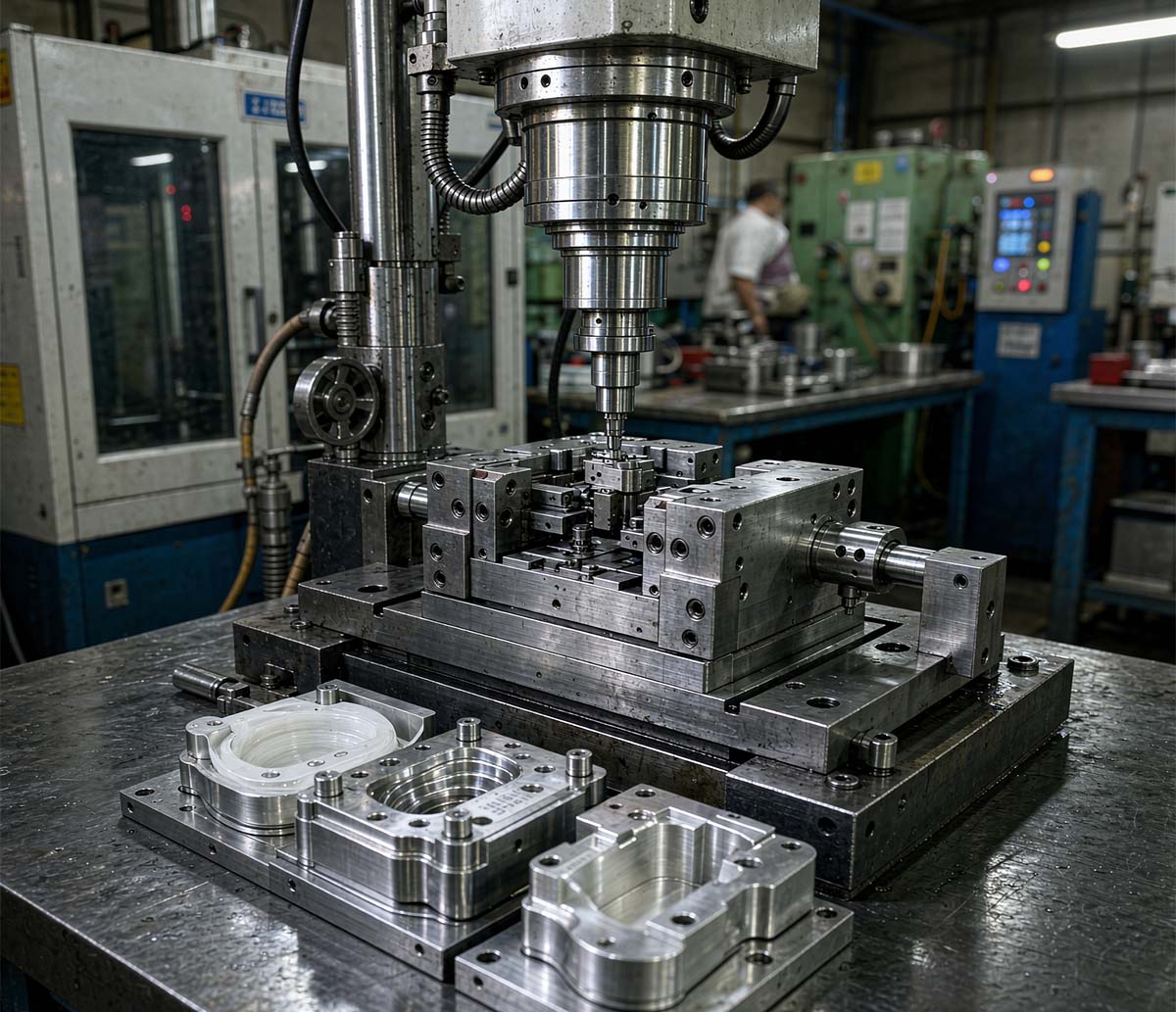
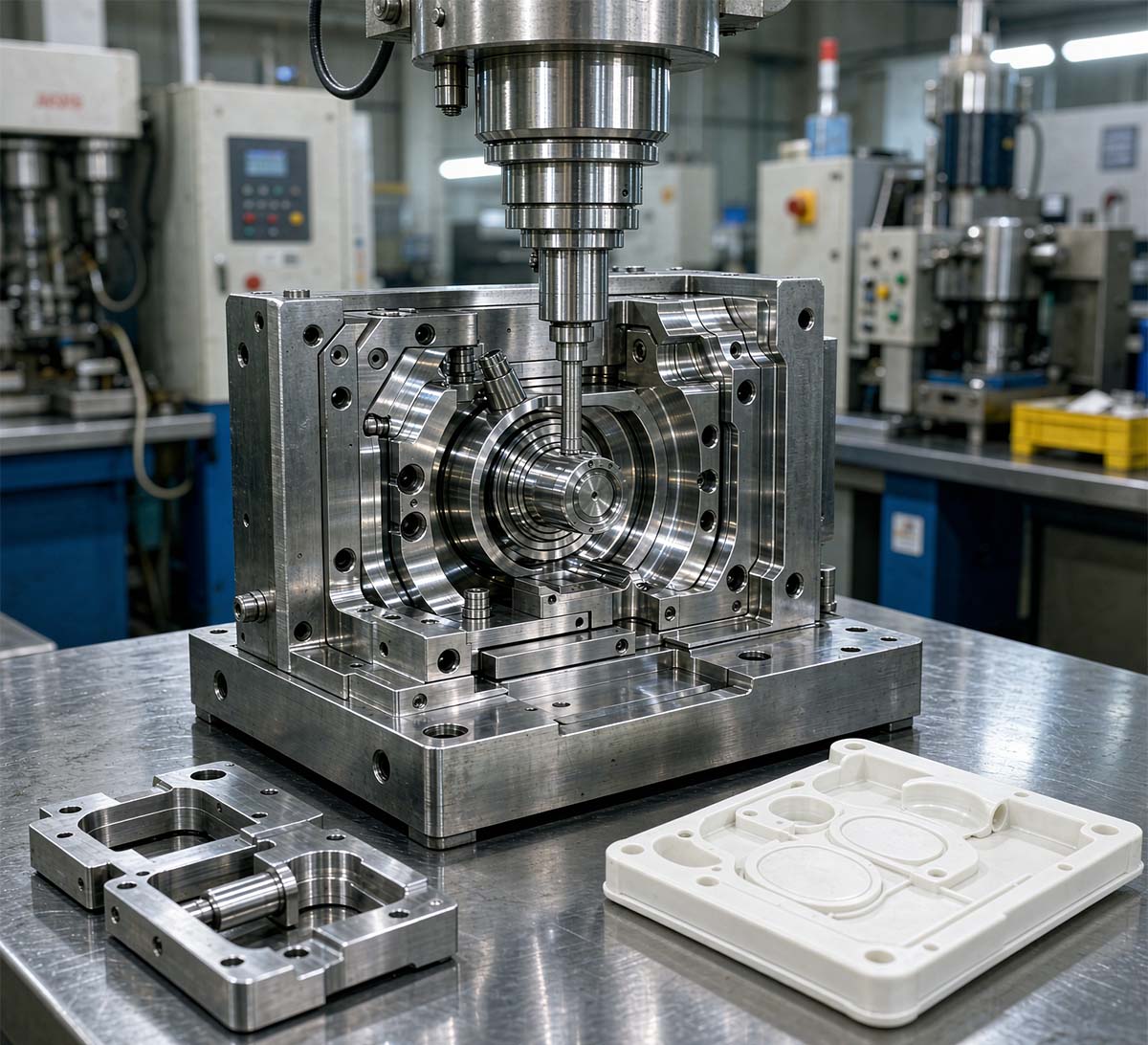
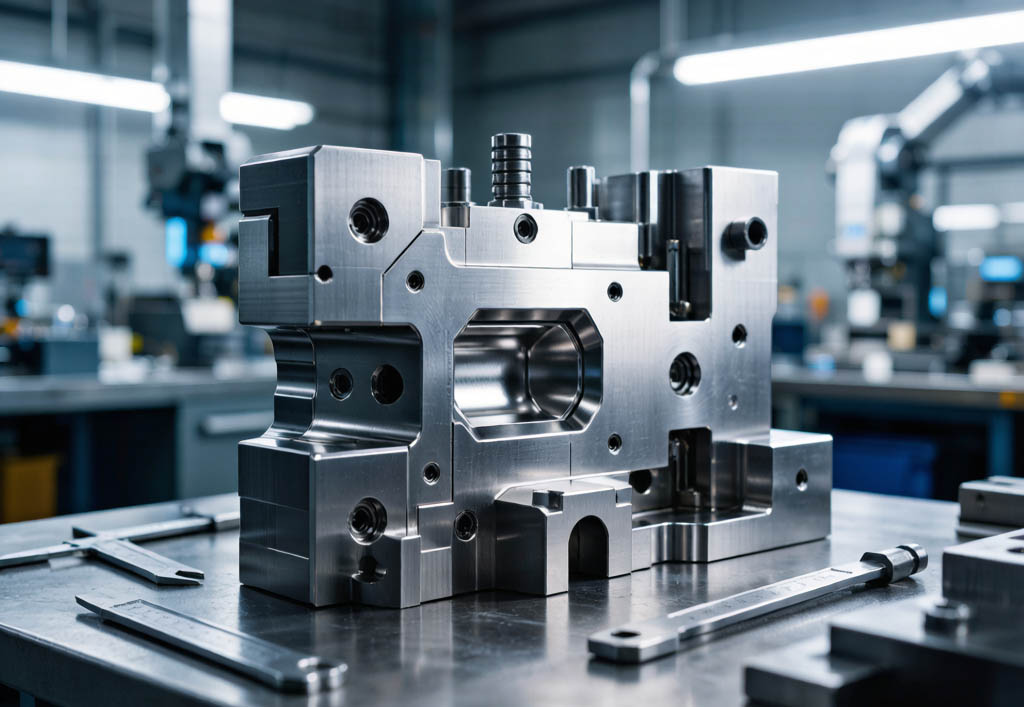
A molded part can look simple on a CAD screen and still become expensive, unstable, or slow to launch once steel is cut. A professional plastic mold tooling service is not just about building a mold—it's about building the rightmold for your volume, material, and quality targets. This guide explains how to evaluate tooling partners based on DFM discipline, tool-class matching, and integrated manufacturing support.
A part may look simple on a print, but holding tight tolerances at volume is where custom metal stamping parts prove their value. While stamping offers fast cycle times and low unit costs, success hinges on early decisions regarding material, tooling, and design. This guide explains how to evaluate stamping suppliers based on DFM discipline, tooling strategy, and integrated secondary operations to ensure scalable and repeatable production.
When a housing warps after machining or threads fail in assembly, the root cause often traces back to the supplier—not the drawing. Choosing an aluminum die casting supplier is a technical decision that impacts tooling life, dimensional stability, and production scalability. This guide explains how to evaluate suppliers based on DFM discipline, process control, and integrated manufacturing support to prevent costly quality escapes.
Learn how to choose a silicone supplier based on DFM discipline, tooling strategy, and integrated program management. Ensure consistent quality and scalability for gaskets, seals, and keypads without the risks of fragmented supply chains.
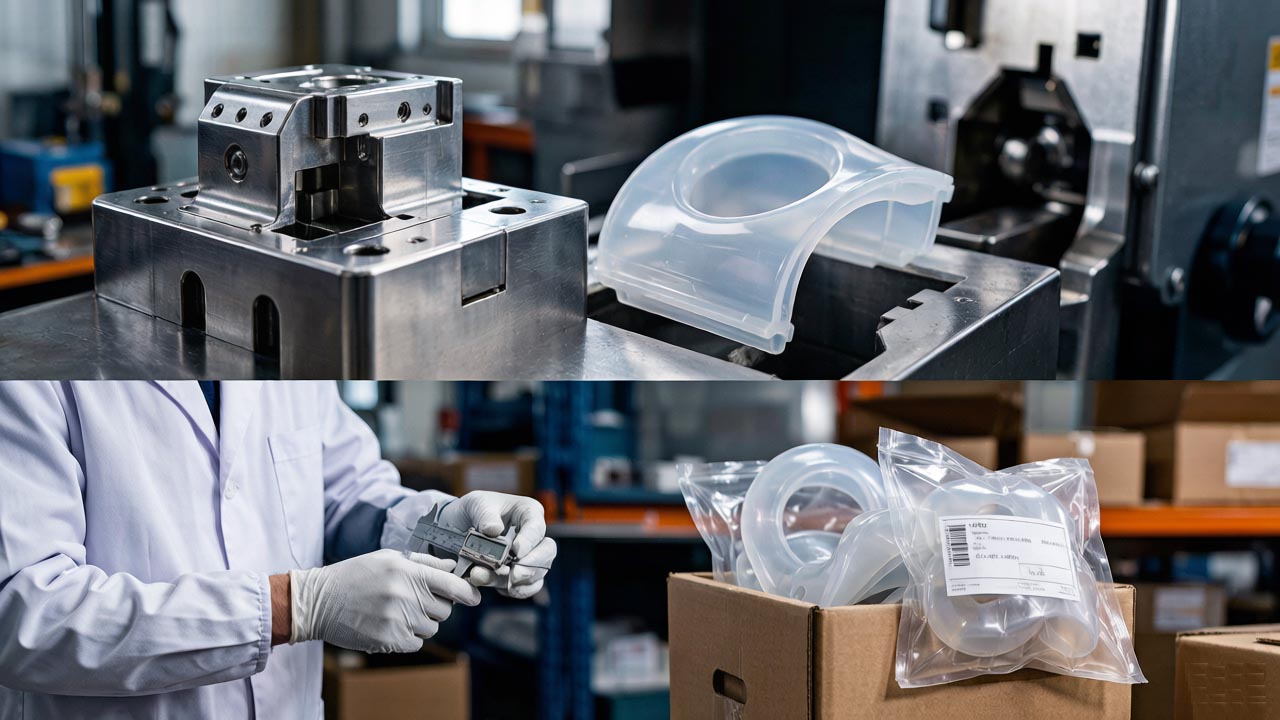
A silicone part may look simple on a CAD drawing, but flash, parting lines, and cure behavior can quickly turn it into a production nightmare. A professional silicone compression molding service must be evaluated as a manufacturing process, not just a quoting line item. This guide breaks down how to design for moldability, choose the right tooling strategy, and avoid the common sourcing mistakes that lead to costly rework.
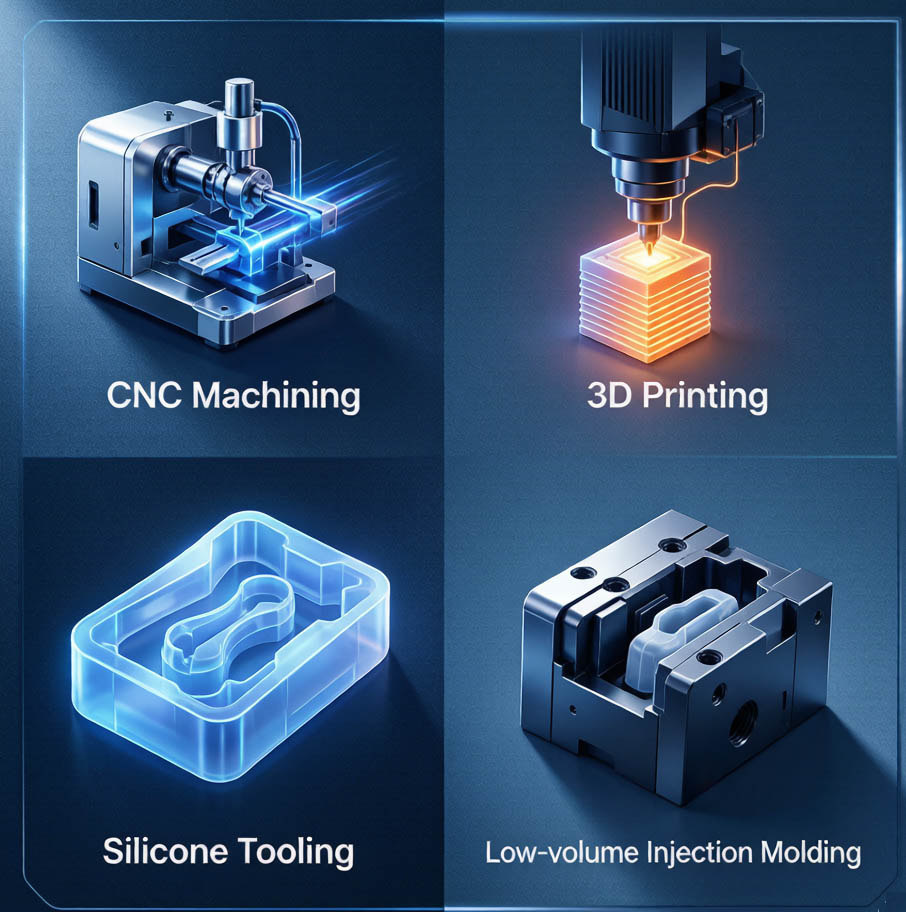
Learn how functional prototyping services help engineers validate fit, function, and manufacturability before committing to production tooling. Compare CNC machining, high-performance 3D printing, silicone tooling, and low-volume molding to reduce risk and accelerate time-to-market.
Waiting for hard tooling to validate a design is a costly gamble. A strategic rapid prototyping service allows engineers and product teams to prove geometry, fit, and function beforecommitting to molds. This guide compares CNC machining, 3D printing, silicone tooling, and low-volume molding, helping you choose the right process to de-risk your launch and accelerate time-to-market.
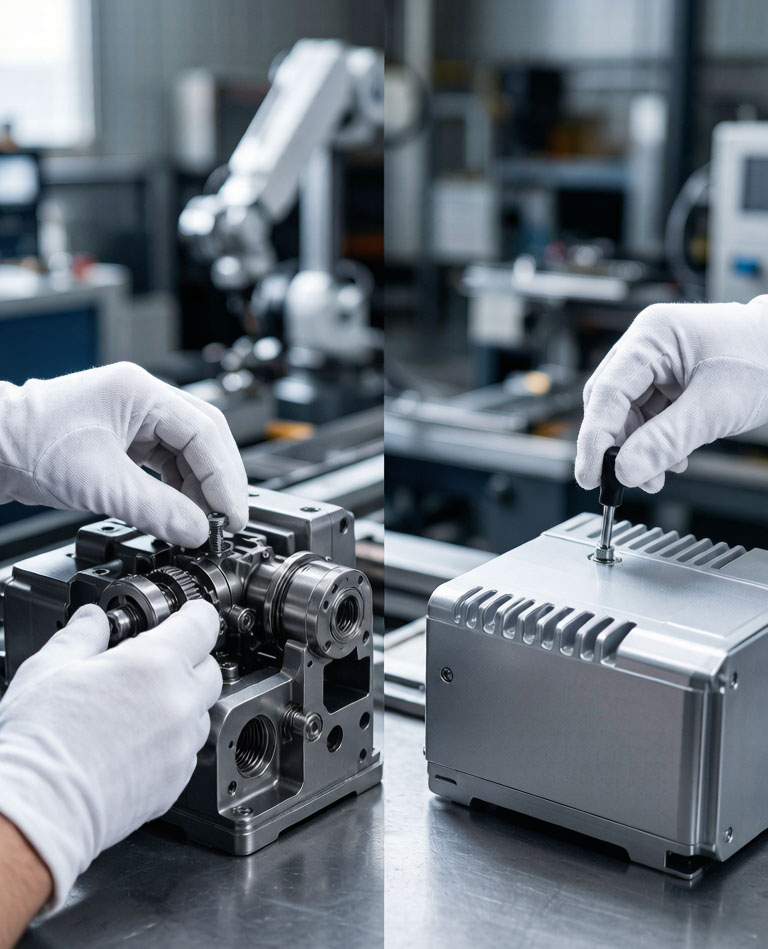
A product can pass every prototype review and still become expensive on the assembly line. That’s usually because DFA (Design for Assembly) was treated as an afterthought. This guide explains how to simplify product architecture, reduce part count, and optimize joining methods beforetooling is cut. Because in manufacturing, how parts go together is just as important as how they’re made.
Xiamen Creator Technology