Insights and updates from the manufacturing world
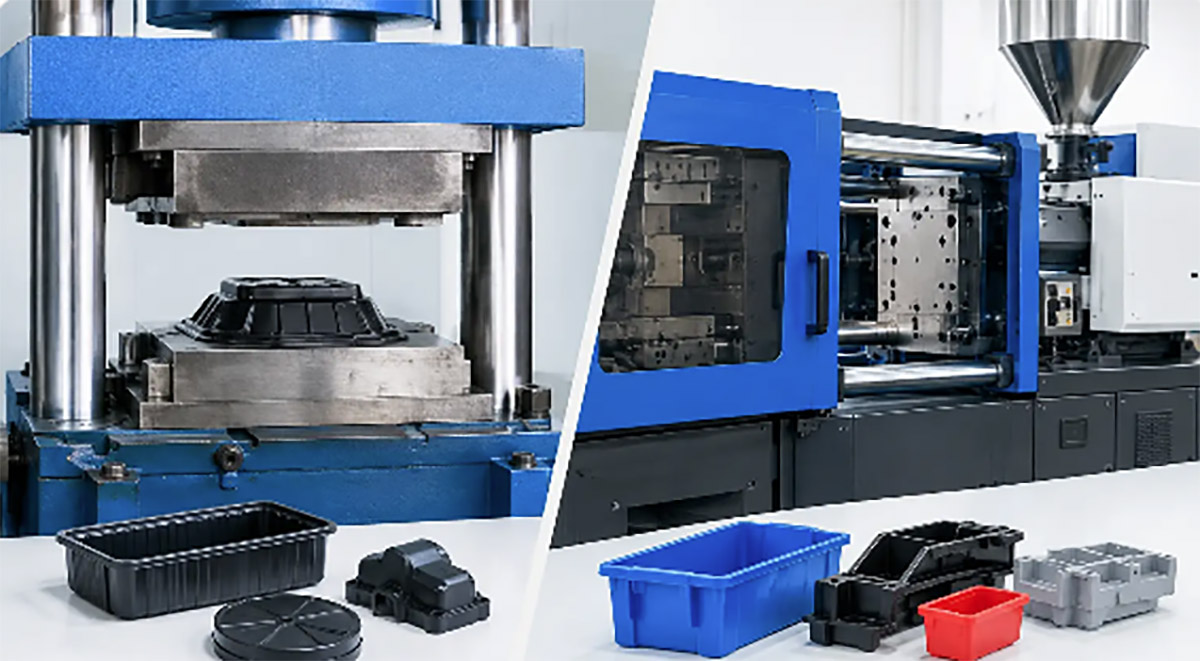
Compare compression molding versus injection molding by tooling, materials, cost, lead time, part geometry, and volume to select a process with confidence.
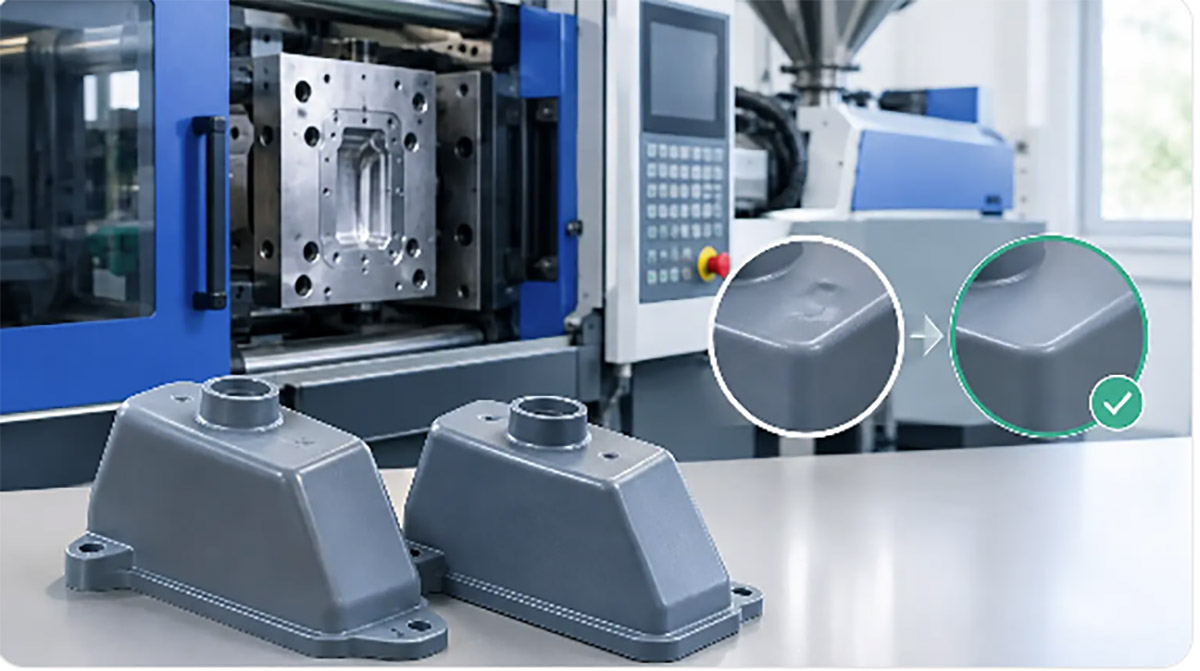
Learn how to prevent sink marks in injection molding with proven design, tooling, packing, and cooling controls for better part quality.
Contract manufacturing trends are changing sourcing, tooling, quality control, and scale-up. See what product teams should evaluate before production.
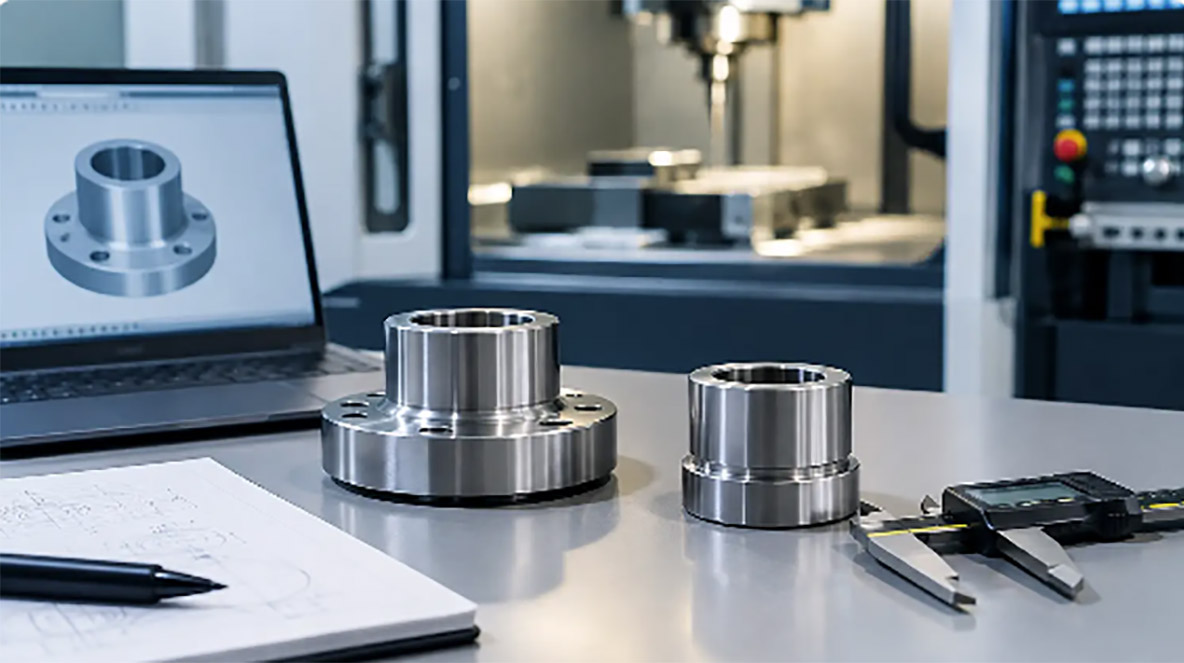
Learn how to select CNC tolerances by function, process, material, and inspection needs to control total cost while protecting fit, performance, and yield.
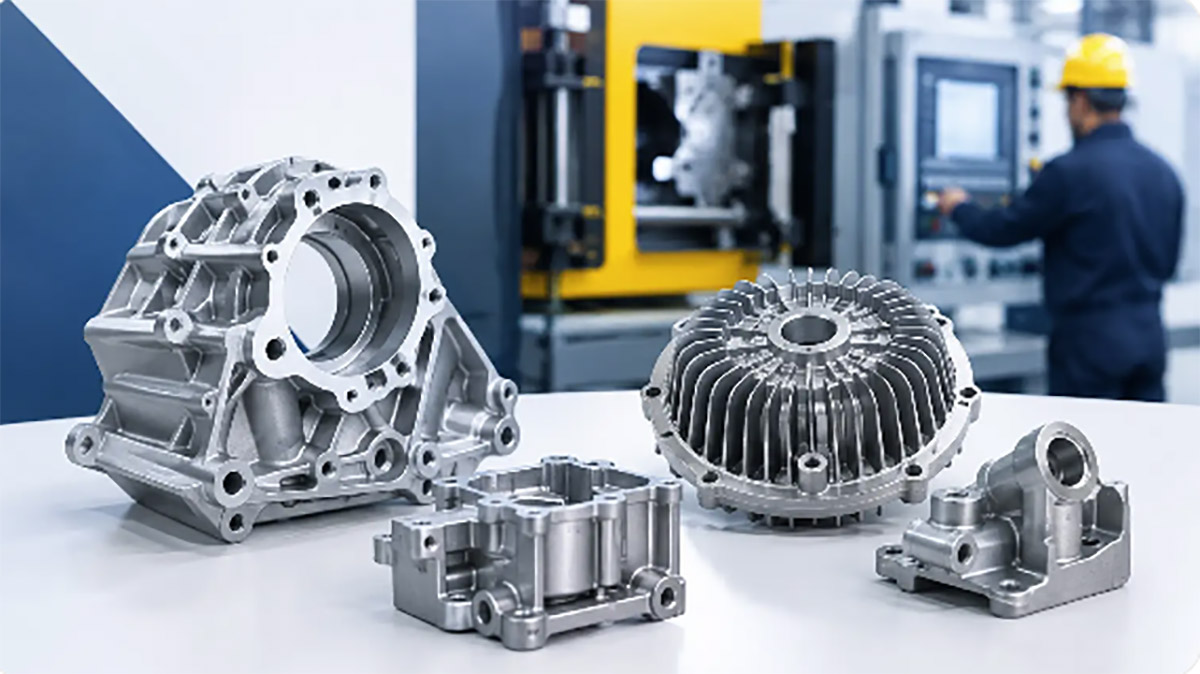
Our guide to custom die casting explains alloys, tooling, DFM, quality control, and production planning for reliable custom metal parts at scale today.
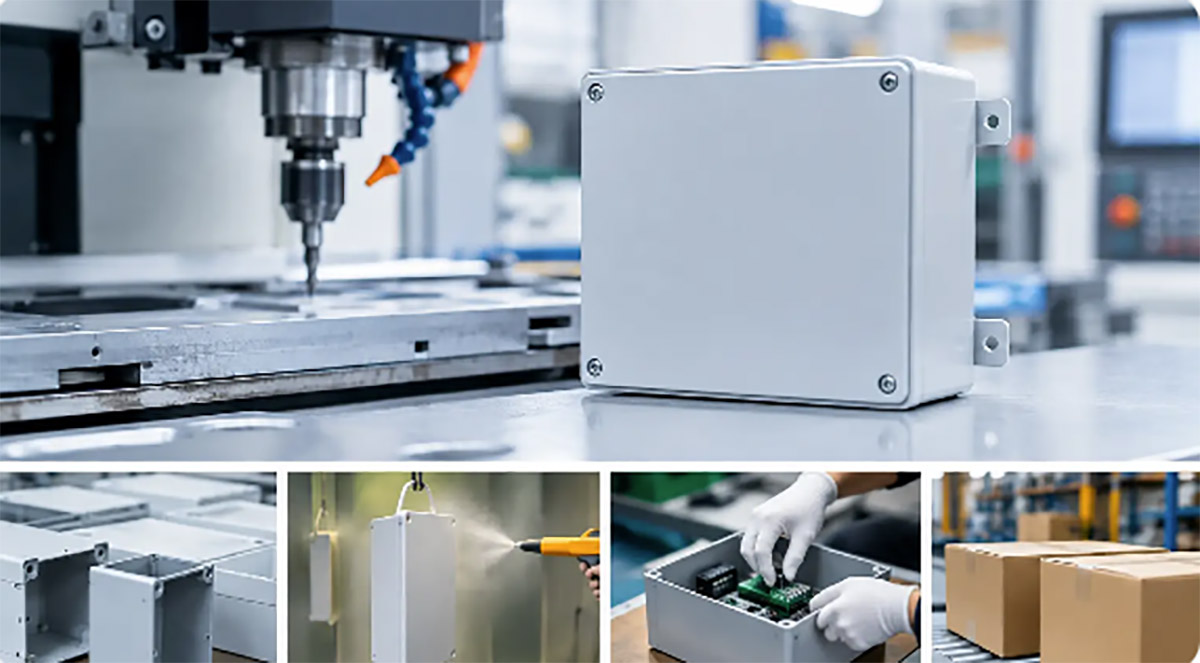
Compare the best manufacturing methods for enclosures by volume, material, tolerance, finish, tooling cost, and production requirements.
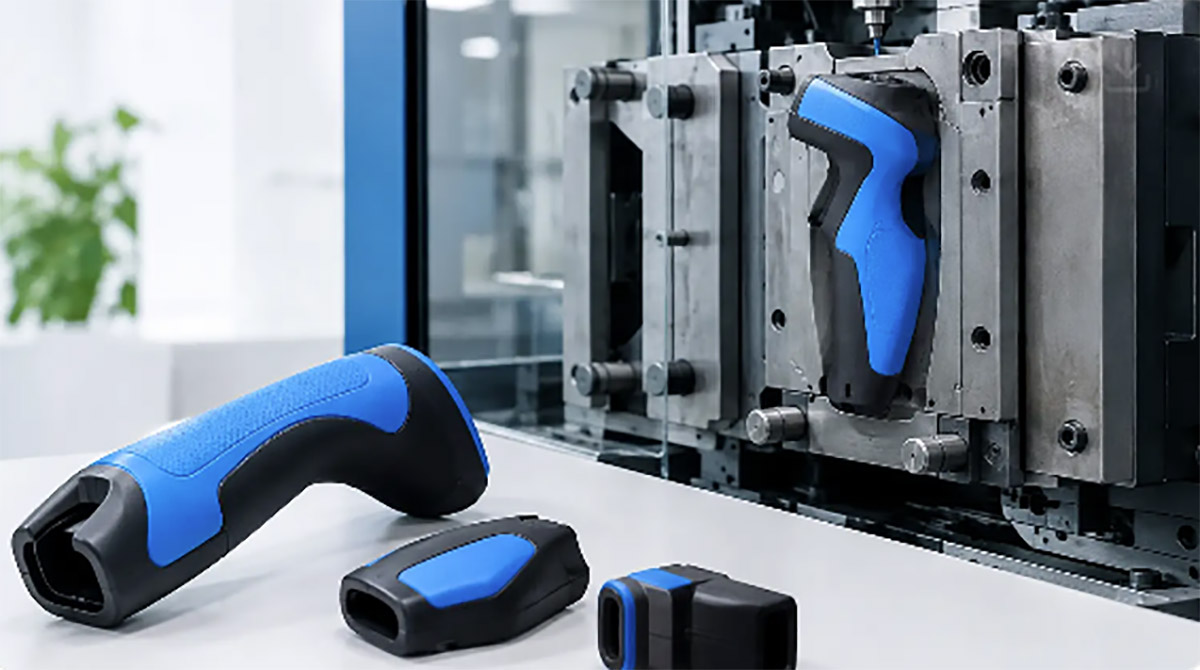
What is overmolding in manufacturing? Learn its materials, process, design limits, cost drivers, and uses for reliable production-ready parts at scale
Manufacturing cost optimization lowers total product cost through DFM, tooling strategy, process selection, sourcing, and quality control at full scale.
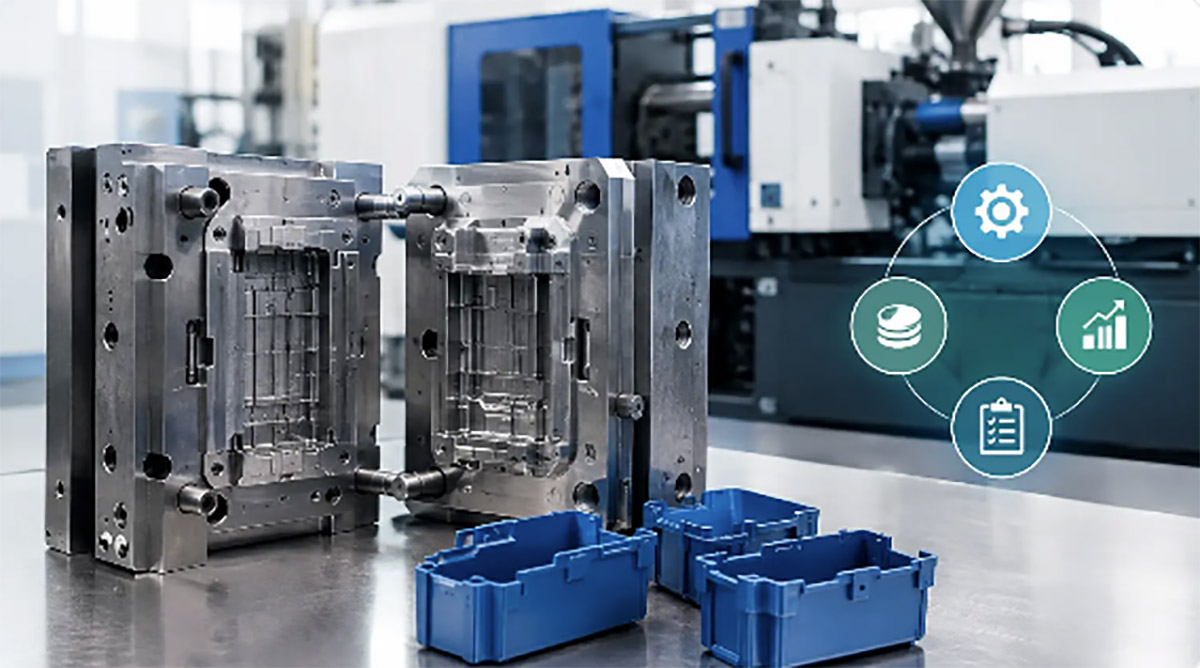
Injection tooling determines part quality, cycle time, and unit cost. Learn how mold design, steel selection, and validation support dependable production.
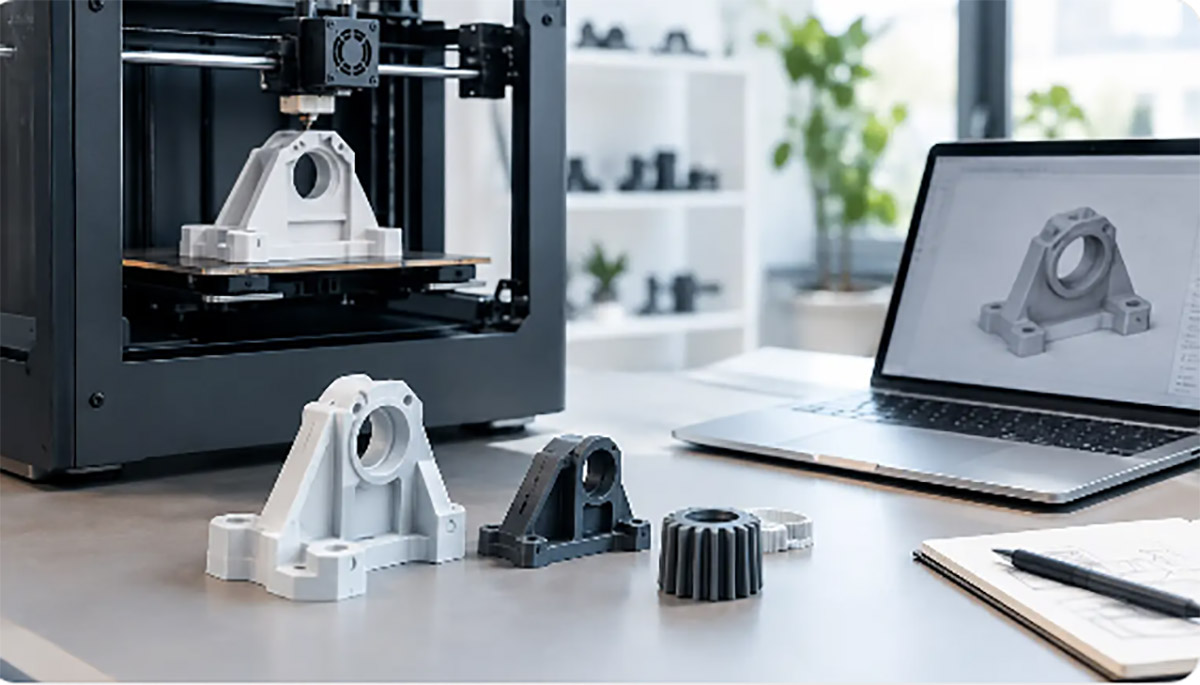
Rapid prototyping helps teams validate form, fit, function, and manufacturability before tooling, reducing risk, lead times, and production changes.
Learn how to calculate tooling ROI using fixed costs, cycle time, yield, labor, and volume assumptions for sound production investment decisions early.
Compare the best plastics for living hinges, including PP, PE, POM, and nylon, with design, tooling, molding, and validation guidance for production teams.
Xiamen Creator Technology