Learn how functional prototyping services help engineers validate fit, function, and manufacturability before committing to production tooling. Compare CNC machining, high-performance 3D printing, silicone tooling, and low-volume molding to reduce risk and accelerate time-to-market.

A prototype that looks right on the bench but fails
during assembly testing is expensive feedback. That is where a functional prototyping
service proves its value—not just for
making parts quickly, but for producing components that give engineering,
sourcing, and product teams reliable data beforetooling begins.
Functional prototyping is often the right choice when
a project needs durable parts, complex geometry, and predictable mechanical
behavior. For many product programs, this fills a gap that visual models or
early soft tooling cannot cover. The value is not only speed—it is the ability
to validate fit, function, and manufacturability with fewer compromises in
geometry.
Where Functional Prototyping
Fits in Development
Functional prototyping typically sits between concept
validation and production tooling, but that range is broader than it sounds.
Teams use it for:
- Proof-of-concept housings
- Pre-production functional parts
- Pilot builds and bridge quantities
- Fixture components and assembly aids
- Low-volume units for sales samples or customer qualification
This flexibility matters because development rarely
moves in a straight line. An industrial design team may need cosmetic samples
first, while the engineering team needs snap features, wall sections, and
mating surfaces tested under load. Procurement may need short-run builds to
support launches. A capable prototyping partner understands that a prototype is
part of a larger program—not an isolated order.
This is also why service quality matters more than
machine access alone. Many vendors can run a printer or a CNC mill. Fewer can
review a CAD model, flag thin walls or tolerance risks, recommend materials
based on real-world performance, and align prototype output with later
machining, molding, or assembly plans.
What to Expect from a Reliable
Functional Prototyping Service
A strong service starts with material and geometry
review.
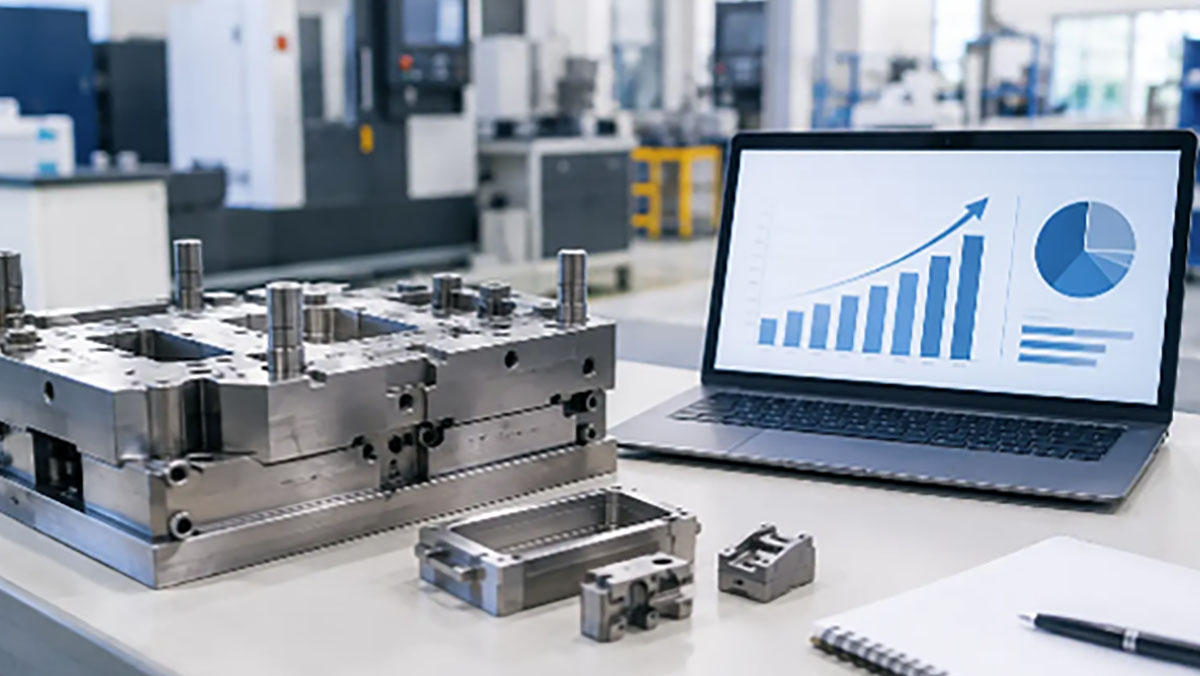
- CNC machining delivers real engineering plastics (ABS, PC, POM,
nylon) or metals with production-like properties.
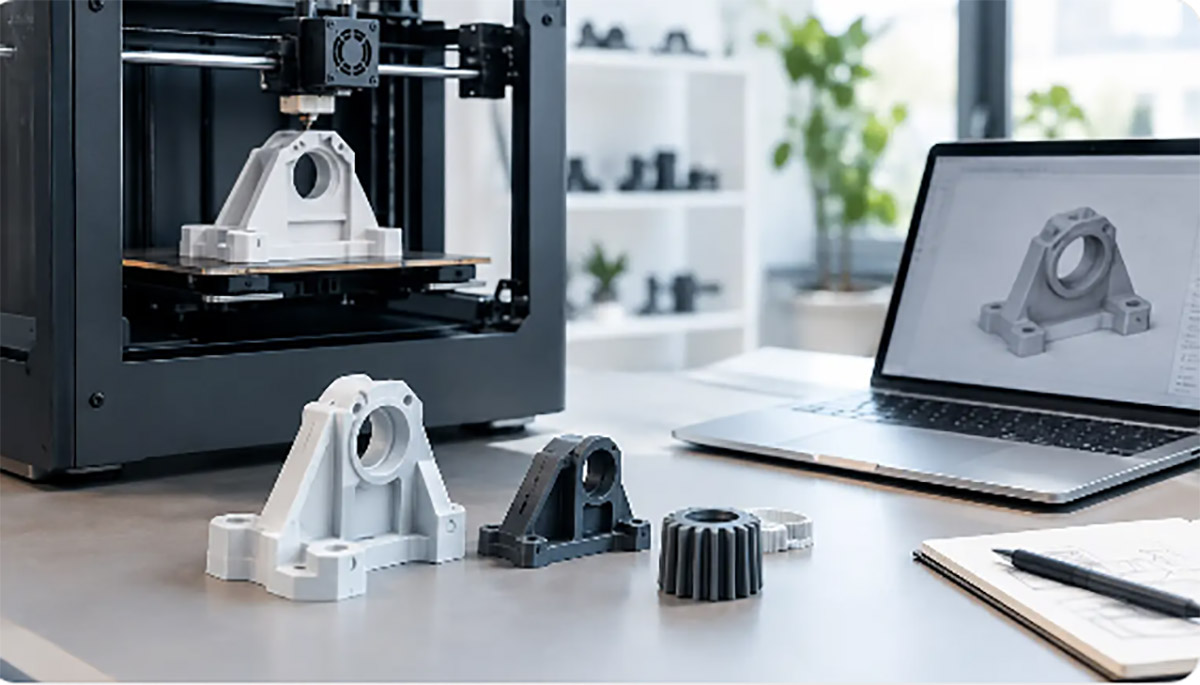
- High-performance 3D printing (such as MJF, SLA, or
FDM with engineering resins) supports complex geometries and faster
iterations.
- Silicone tooling + urethane casting produces small batches
with material properties closer to production.
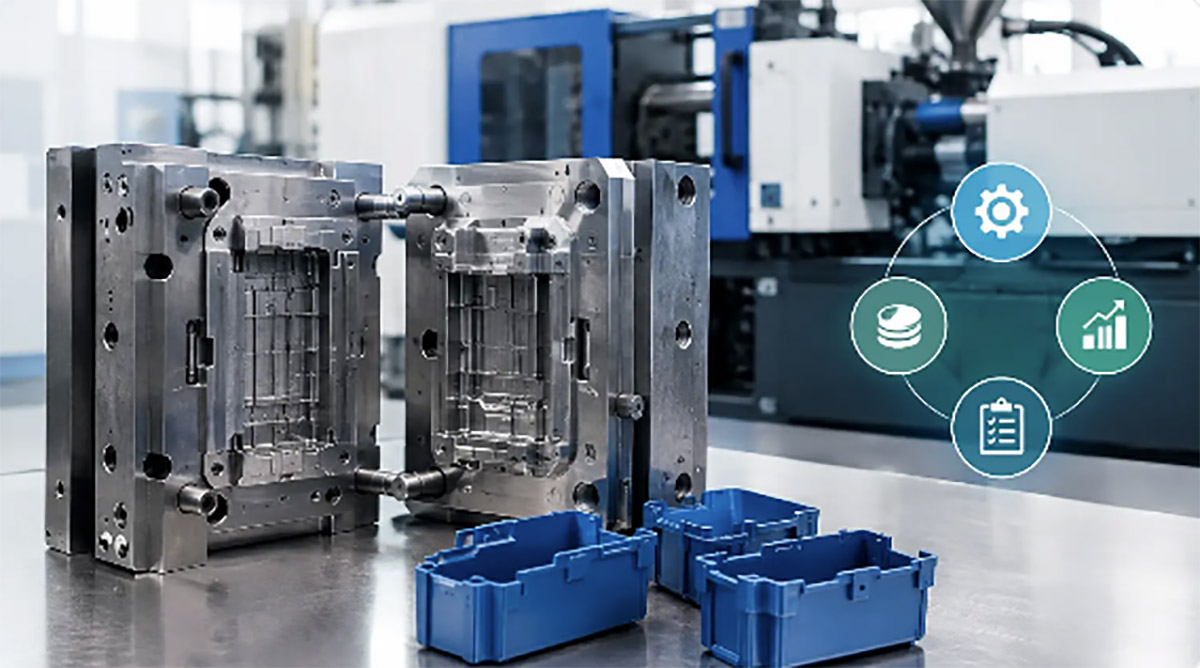
- Low-volume injection molding bridges the gap between
prototyping and mass production.
The right recommendation depends on use case. A
handheld enclosure, a load-bearing latch, and an internal duct do not have the
same priorities.
Dimensional control is the next critical factor. CNC offers the highest precision. Additive
processes are excellent for complex forms but require realistic tolerance
expectations. A professional supplier will clarify achievable tolerances based
on process, geometry, and material—helping you avoid bad validation decisions.
Surface finish should also be defined early. Raw additive parts often have visible layer
lines or texture. Internal tests may tolerate this; customer-facing samples may
require bead blasting, painting, vapor smoothing, or machining on critical
surfaces. Threaded inserts, tapped holes, or bearing seats must be planned into
the process, not treated as afterthoughts.
Lead time is another practical benchmark. Fast turnaround has value, but only when
it includes proper file review, build planning, and basic quality checks.
Predictable execution is more valuable than aggressive promises that compromise
part integrity.
Functional Prototypes Are
Strongest When They Answer the Right Questions
The best use of functional prototyping is not simply
making a CAD model physical. It is reducing risk by defining what the prototype
must prove.
For some programs, the question is mechanical:
- Will the snap fit survive repeated assembly?
- Will the hinge geometry hold its position?
- Can internal ribs support a PCB without distortion?
CNC and high-performance 3D printing are well suited
to these checks because they use real or representative materials.
For others, the question is spatial:
- Does the wiring route cleanly through the enclosure?
- Is there enough finger clearance during service?
- Do mating parts interfere under fastening load?
Complex internal features—channels, lattices,
undercuts—are often easier and faster to prototype than to machine
conventionally.
There are trade-offs, and they should be stated
clearly. No single process excels at everything. If optical clarity or
high-gloss cosmetics are critical, specific materials and finishes must be
selected. If tight metal tolerances dominate, CNC machining may be essential. A
trustworthy supplier will tell you this directly.
Design Support Makes the
Service More Useful
A functional prototyping service creates more value
when it includes practical design input. This does not mean redesigning your
product—it means identifying issues that affect build success, test quality,
and transition to production.
Wall thickness is a common example. Thin sections may print or machine successfully but fail
in handling or assembly. Long unsupported spans, delicate clips, and large flat
areas may need reinforcement. Internal cavities require drainage or powder
removal strategies in additive processes.
Tolerance stack-up is another area where early review helps. Teams sometimes judge
prototypes unfairly because they assume molded-part precision from a process
with different capabilities. An experienced manufacturing partner can
distinguish between prototype-process limitations and actual design problems.
This matters even more when the same supplier supports
downstream processes—CNC machining, tooling, injection molding, silicone
tooling, and assembly. Prototype decisions become stronger when informed by how
the product will actually be manufactured. A feature that works in prototyping
may still need draft, steel-safe adjustments, or gate-related revisions before
production tooling. Catching that early saves time and money.
How to Evaluate Functional
Prototyping Suppliers for B2B Programs
Evaluate a supplier on operational fit, not
only part price.
- Can they interpret drawings, manage revisions, and communicate
process limits clearly?
- Do they offer stable quoting, realistic schedules, and enough
production structure to support repeat orders?
- Can they manage mixed-process projects—combining CNC, 3D printing,
casting, and molding?
Quality control should be straightforward:
- Are incoming files checked?
- Can critical dimensions be verified?
- Are finishing steps controlled?
- Does packaging protect functional surfaces during shipment?
Commercial flexibility also matters. Some suppliers
excel at one-off models but struggle with iterative development, pilot
quantities, or transition into low-volume production. Others support the full
path from design to bridge manufacturing—a significant advantage when launch
timelines are compressed.
When Functional Prototyping Is
the Right Choice—and When It Is Not
Functional prototyping is a strong option when parts
need:
- Mechanical strength and material realism
- Complex geometry not easily machined
- Fast delivery without tooling investment
- Multiple iterations to refine design
It becomes less ideal when:
- The project depends entirely on optical clarity or ultra-smooth
cosmetics straight from the machine
- The prototype must exactly mimic a specific molded resin’s long-term
behavior
- Extremely tight tolerances are required on large, thin-walled
features
In those cases, another process—or a combination of
processes—may be more appropriate.
Final Thought
For teams moving from concept to production, the real
advantage of functional prototyping is not speed alone. It is that a
well-managed prototype answers difficult manufacturing questions before they
become tooling changes, delayed launches, or avoidable procurement costs.
Key Takeaways for Buyers
- Prototype with Purpose: Match the process to what you need to prove—form,
fit, function, or material behavior.
- Think Beyond the Part: Choose a partner who can support DFM, tooling, and
assembly, not just prototyping.
- Clarify Tolerances: Understand what each process can realistically
achieve.
- Plan for Finish: Define cosmetic and functional surface requirements
early.
- Design for Transition: Ensure prototype decisions support—not hinder—your
path to production.